MaM Massage & Spa
MAM'S BLOGS
Cupping massage is an age-old therapeutic technique that has gained popularity in recent years for its potential health benefits and unique approach to healing. This practice, which dates back thousands of years to various cultures, involves the use of suction cups placed on the skin to create a vacuum effect. Cupping massage is often touted as an effective method for relieving pain, reducing stress, and promoting overall well-being. In this article, we will explore the history, methods, benefits, and precautions associated with cupping massage.
Book NowCupping Massage in Oklahoma City: A Holistic Approach to Healing
Sign up for blog updates!
Recent Posts
Cupping massage is an age-old therapeutic technique that has gained popularity in recent years for its potential health benefits and unique approach to healing. This practice, which dates back thousands of years to various cultures, involves the use of suction cups placed on the skin to create a vacuum effect. Cupping massage is often touted as an effective method for relieving pain, reducing stress, and promoting overall well-being. In this article, we will explore the history, methods, benefits, and precautions associated with cupping massage.
A Brief History of Cupping
Cupping massage has a rich history that spans various cultures and civilizations. It can be traced back to ancient Egypt, where it was used to treat various ailments. The practice was also embraced in traditional Chinese medicine, which has a history of over 2,500 years. Cupping was used to balance the flow of vital energy, or "Qi," within the body and alleviate imbalances.
The Methodology of Cupping Massage
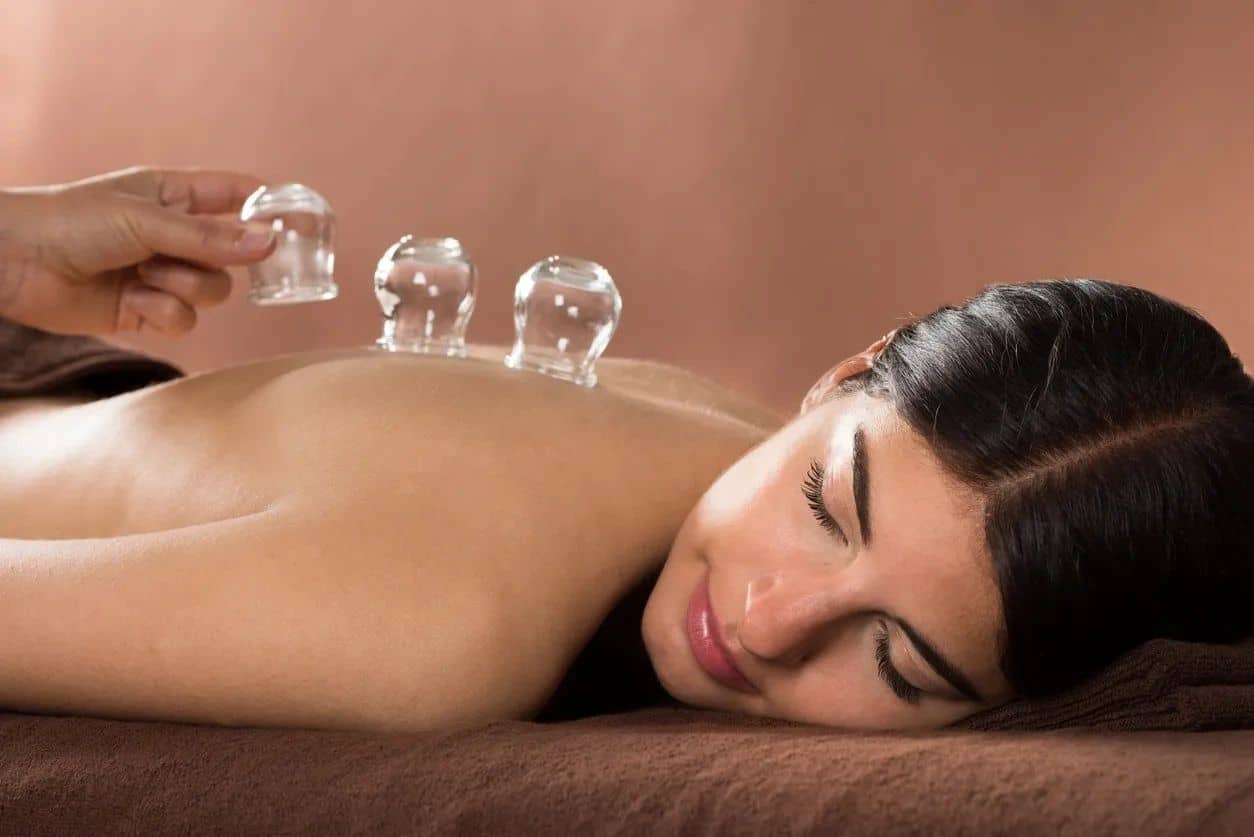
Cupping massage involves the application of glass or plastic cups to the skin's surface. These cups are briefly heated, creating a vacuum when placed on the skin. This vacuum effect gently pulls the skin and underlying tissues into the cup, promoting increased blood flow to the area and stimulating the body's natural healing processes.
There are two primary methods of cupping:
Dry Cupping: In dry cupping, the cups are placed on the skin and suction is created by removing the air from the cup, typically using a handheld pump or a flame that briefly consumes the oxygen inside the cup. This draws the skin and muscle upward into the cup. Wet Cupping: Wet cupping, also known as "hijama" in Arabic medicine, involves making small incisions in the skin after dry cupping and allowing a small amount of blood to be drawn into the cup. It is believed to remove impurities from the body.
Benefits of Cupping Massage
Pain Relief: Cupping massage is commonly used to alleviate muscular pain and tension. It can be particularly effective for conditions like back pain, neck pain, and sore muscles. Improved Blood Circulation: The suction created by cupping increases blood flow to the treated area, promoting better circulation and oxygenation of tissues. Stress Reduction: Many people find cupping massage to be a relaxing experience that reduces stress and anxiety. The process can have a calming effect on the nervous system. Detoxification: Advocates of cupping believe that the technique helps the body rid itself of toxins and impurities, particularly in the case of wet cupping. Enhanced Healing: Cupping is thought to stimulate the body's natural healing mechanisms. It can speed up recovery from injuries and promote tissue repair. Relief from Respiratory Issues: Some practitioners use cupping to address respiratory conditions such as asthma, bronchitis, and congestion by improving the flow of energy and fluids in the body.
Precautions and Considerations
While cupping massage offers several potential benefits, it's important to consider a few precautions:
Bruising: Cupping can leave circular marks or bruises on the skin, which typically fade within a few days to a week. Qualified Practitioners: Seek out a qualified and experienced practitioner to ensure safe and effective treatment. Improper cupping techniques can lead to injuries. Individual Reactions: People may react differently to cupping, and it may not be suitable for everyone. If you have skin conditions, are pregnant, or have certain medical conditions, consult with a healthcare professional before trying cupping. Hygiene: Ensure that the cups and the environment are clean and hygienic to avoid infection.
Share this post:
Join my email list to receive updates and information.
The Origins of Ashiatsu Massage and Why Clients Love It
Jan 22, 2026
Couples Massage: Relax & Reconnect
Nov 6, 2025
Orthopedic Massage: Targeted Relief for Lasting Recovery
Nov 4, 2025
- Dry Cupping: In dry cupping, the cups are placed on the skin and suction is created by removing the air from the cup, typically using a handheld pump or a flame that briefly consumes the oxygen inside the cup. This draws the skin and muscle upward into the cup.
- Wet Cupping: Wet cupping, also known as "hijama" in Arabic medicine, involves making small incisions in the skin after dry cupping and allowing a small amount of blood to be drawn into the cup. It is believed to remove impurities from the body.
- Pain Relief: Cupping massage is commonly used to alleviate muscular pain and tension. It can be particularly effective for conditions like back pain, neck pain, and sore muscles.
- Improved Blood Circulation: The suction created by cupping increases blood flow to the treated area, promoting better circulation and oxygenation of tissues.
- Stress Reduction: Many people find cupping massage to be a relaxing experience that reduces stress and anxiety. The process can have a calming effect on the nervous system.
- Detoxification: Advocates of cupping believe that the technique helps the body rid itself of toxins and impurities, particularly in the case of wet cupping.
- Enhanced Healing: Cupping is thought to stimulate the body's natural healing mechanisms. It can speed up recovery from injuries and promote tissue repair.
- Relief from Respiratory Issues: Some practitioners use cupping to address respiratory conditions such as asthma, bronchitis, and congestion by improving the flow of energy and fluids in the body.
- Bruising: Cupping can leave circular marks or bruises on the skin, which typically fade within a few days to a week.
- Qualified Practitioners: Seek out a qualified and experienced practitioner to ensure safe and effective treatment. Improper cupping techniques can lead to injuries.
- Individual Reactions: People may react differently to cupping, and it may not be suitable for everyone. If you have skin conditions, are pregnant, or have certain medical conditions, consult with a healthcare professional before trying cupping.
- Hygiene: Ensure that the cups and the environment are clean and hygienic to avoid infection.
- The Origins of Ashiatsu Massage and Why Clients Love It Jan 22, 2026
- Couples Massage: Relax & Reconnect Nov 6, 2025
- Orthopedic Massage: Targeted Relief for Lasting Recovery Nov 4, 2025
Video
Cupping Massage in Oklahoma City: A Holistic Approach to Healing
Forms