MaM Massage & Spa
MAM'S BLOGS
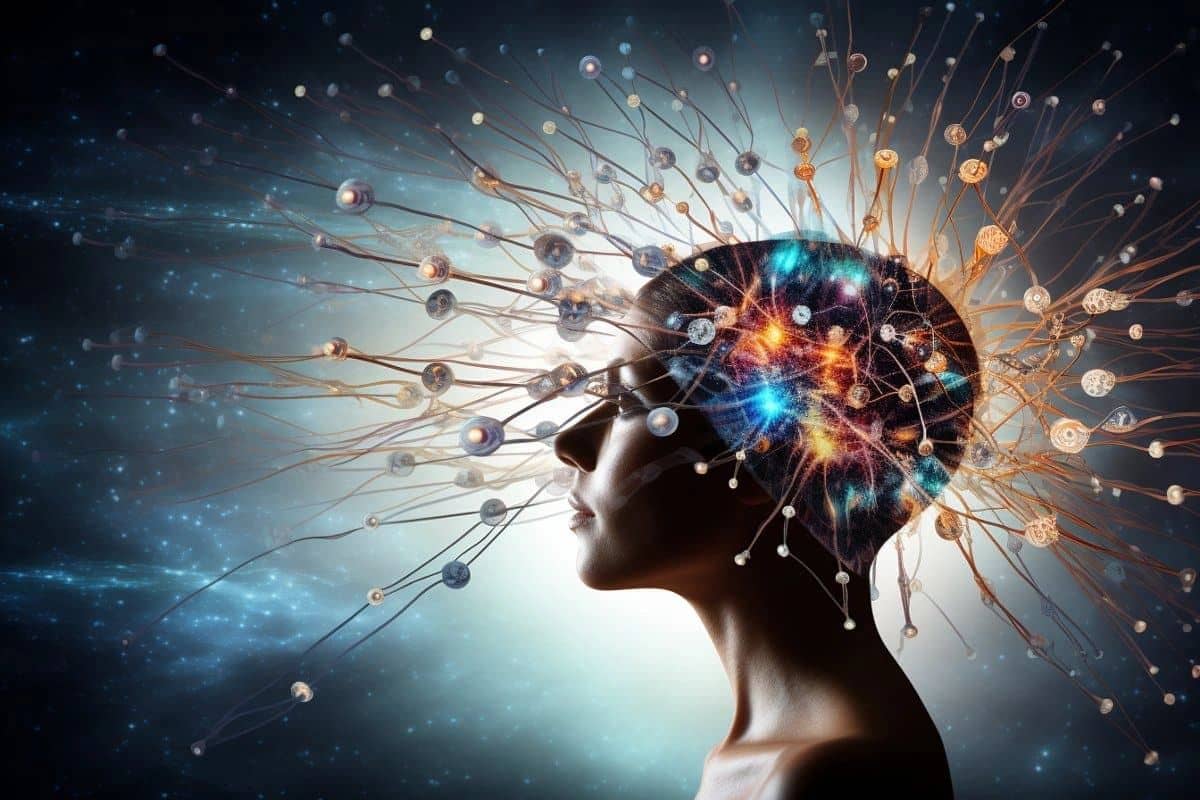
In today's fast-paced world, anxiety and depression have become increasingly common mental health challenges. People from all walks of life experience these conditions, often seeking various forms of relief. One such remedy gaining recognition for its efficacy is massage therapy. This ancient practice, which involves the manipulation of the body's soft tissues, offers profound benefits for mental health. In this blog, we'll delve into how massage therapy can help alleviate the symptoms of anxiety and depression, backed by scientific research and anecdotal evidence.
Book NowHow Massage Therapy Can Help with Anxiety and Depression
Categories
Sign up for blog updates!
Recent Posts
In today's fast-paced world, anxiety and depression have become increasingly common mental health challenges. People from all walks of life experience these conditions, often seeking various forms of relief. One such remedy gaining recognition for its efficacy is massage therapy. This ancient practice, which involves the manipulation of the body's soft tissues, offers profound benefits for mental health. In this blog, we'll delve into how massage therapy can help alleviate the symptoms of anxiety and depression, backed by scientific research and anecdotal evidence.
Before exploring how massage therapy can assist, it's crucial to understand anxiety and depression. Anxiety is characterized by persistent worry, fear, and nervousness. Symptoms can include increased heart rate, rapid breathing,restlessness, and difficulty concentrating. Depression on the other hand, is marked by prolonged periods of sadness, hopelessness, and a lack of interest in daily activities. Symptoms can include fatigue, changes in appetite, sleep disturbances, and difficulty making decisions.
Both conditions can severely impact one's quality of life, leading to physical health issues, strained relationships, and decreased productivity.
Massage therapy involves techniques such as stroking, kneading, and applying pressure to the muscles, skin, and connective tissues. These techniques are designed to relax the body, reduce muscle tension, and enhance circulation. But how does this physical manipulation translate to mental well-being?
1. **Reduction of Cortisol Levels**: Cortisol, often referred to as the "stress hormone," is produced by the adrenal glands and is released in response to stress. High levels of cortisol are associated with anxiety and depression. Studies have shown that massage therapy can significantly reduce cortisol levels in the body, thereby alleviating stress and promoting a sense of relaxation.
2. **Increase in Serotonin and Dopamine**: Serotonin and dopamine are neurotransmitters that play a crucial role in mood regulation. Low levels of these chemicals are linked to depression. Massage therapy has been found to increase the production of serotonin and dopamine, helping to improve mood and reduce feelings of depression.
3. **Enhanced Parasympathetic Nervous System Activity**: The parasympathetic nervous system is responsible for the body's rest-and-digest functions. Massage therapy activates this system, leading to reduced heart rate, lower blood pressure, and a state of relaxation. This shift helps counteract the fight-or-flight response associated with anxiety.
4. **Improved Sleep Quality**: Both anxiety and depression often lead to sleep disturbances. Massage therapy promotes relaxation and reduces stress, making it easier to fall asleep and stay asleep. Improved sleep quality, in turn, helps mitigate the symptoms of anxiety and depression.
#### Types of Massage Therapy Beneficial for Mental Health
Several types of massage therapy can be particularly effective in addressing anxiety and depression:
1. **Swedish Massage**: This is a gentle, relaxing massage that uses long strokes, kneading, and circular movements. It helps to reduce muscle tension, improve circulation, and promote relaxation.
2. **Deep Tissue Massage**: This technique targets the deeper layers of muscles and connective tissue. It is especially beneficial for relieving chronic muscle tension and stress, which can contribute to anxiety.
3. **Aromatherapy Massage**: This combines massage with the use of essential oils. Different oils have various therapeutic properties, such as lavender for relaxation or eucalyptus for invigoration. Aromatherapy can enhance the overall relaxing effect of the massage.
4. **Reflexology**: This involves applying pressure to specific points on the feet, hands, or ears. It is based on the theory that these points correspond to different organs and systems in the body. Reflexology can help reduce stress and promote overall well-being.
Numerous individuals have reported significant improvements in their mental health after incorporating massage therapy into their treatment plans. For instance, a study published in the International Journal of Neuroscience found that participants who received regular massage therapy experienced a reduction in symptoms of anxiety and depression compared to those who did not.
Integrating Massage Therapy into a Holistic Treatment Plan
While massage therapy offers substantial benefits, it is most effective when integrated into a comprehensive treatment plan. This plan might include traditional therapies such as cognitive-behavioral therapy (CBT), medication, lifestyle changes, and other complementary practices like yoga and meditation.
Consulting with healthcare professionals is crucial to determine the best approach for individual needs. A licensed massage therapist with experience in treating clients with anxiety and depression can tailor sessions to maximize therapeutic benefits.
Massage therapy is a powerful tool in the fight against anxiety and depression. By reducing cortisol levels, increasing serotonin and dopamine, enhancing parasympathetic nervous system activity, and improving sleep quality, it addresses both the physical and psychological aspects of these conditions. Whether through Swedish massage, deep tissue massage, aromatherapy, or reflexology, individuals can find relief and improve their quality of life.
As more people seek natural and holistic approaches to mental health, massage therapy continues to gain recognition and acceptance. For those grappling with anxiety and depression, exploring this therapeutic option might be a step towards a brighter, more balanced future.
Share this post:
Join my email list to receive updates and information.
The Origins of Ashiatsu Massage and Why Clients Love It
Jan 22, 2026
Couples Massage: Relax & Reconnect
Nov 6, 2025
Orthopedic Massage: Targeted Relief for Lasting Recovery
Nov 4, 2025
- All Posts
- Holidays
- MaM's Services Benefits
- MaM's team stories
- Massage Tips
- Self-care Tips
- The Origins of Ashiatsu Massage and Why Clients Love It Jan 22, 2026
- Couples Massage: Relax & Reconnect Nov 6, 2025
- Orthopedic Massage: Targeted Relief for Lasting Recovery Nov 4, 2025
Forms