MaM Massage & Spa
MAM'S BLOGS
In the chaotic aftermath of a car accident, injuries can range from minor bruises to severe trauma, affecting both the body and mind. While medical interventions are crucial for initial stabilization and treatment, incorporating massage therapy into the recovery process can significantly enhance healing and restore well-being.
Book NowMassage Therapy Helps Recovery from Car Wreck Injuries
Understanding the Impact of Car Wreck Injuries
The Role of Massage Therapy in Recovery
Tailored Approaches for Specific Injuries
Integrating Massage into Rehabilitation Programs
Categories
Sign up for blog updates!
Recent Posts
In the chaotic aftermath of a car accident, injuries can range from minor bruises to severe trauma, affecting both the body and mind. While medical interventions are crucial for initial stabilization and treatment, incorporating massage therapy into the recovery process can significantly enhance healing and restore well-being.
Car accidents subject the body to sudden and forceful impacts, often resulting in a variety of injuries:
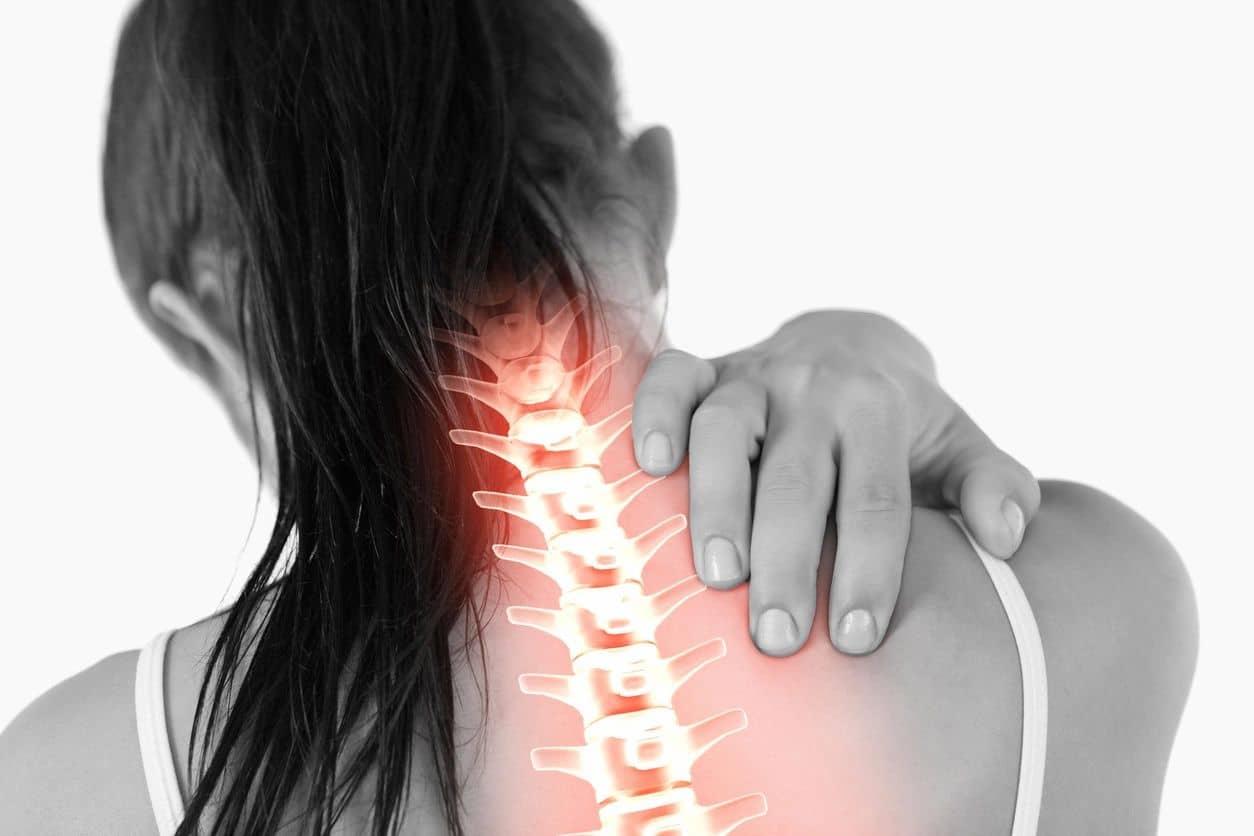
Whiplash: One of the most common injuries, whiplash occurs when the neck jerks forward and backward rapidly, causing strain on the cervical spine and soft tissues. Muscle Tension and Pain: Impact forces can lead to muscle spasms, tension, and general discomfort throughout the body. Stress and Anxiety: The emotional toll of a car wreck can manifest as stress, anxiety, and even post-traumatic stress disorder (PTSD).
Massage therapy offers a holistic approach to healing by addressing both physical and emotional aspects of injury recovery:
Pain Relief: Massage techniques such as kneading, friction, and compression can alleviate muscle tension and reduce pain by promoting blood circulation and releasing endorphins, the body's natural painkillers. Improved Range of Motion: By targeting areas of restricted movement, massage helps restore flexibility and mobility, particularly beneficial for individuals experiencing stiffness and limited range of motion post-accident. Reduced Inflammation: Gentle massage strokes aid in lymphatic drainage, facilitating the removal of toxins and reducing inflammation in injured tissues. Emotional Support: Massage therapy induces relaxation and reduces anxiety by activating the parasympathetic nervous system, promoting a sense of calm and well-being essential for mental healing.
Different massage techniques and modalities can be customized to address specific injuries:
Soft Tissue Injuries: Deep tissue massage targets deeper layers of muscles and connective tissues, releasing adhesions and scar tissue to promote healing. Whiplash: Gentle techniques such as myofascial release and craniosacral therapy can help alleviate pain and restore alignment in the neck and spine. Stress and Anxiety: Swedish massage, characterized by long, flowing strokes, induces relaxation and reduces stress hormones, offering emotional support during the recovery process.
Incorporating massage therapy into comprehensive rehabilitation programs enhances outcomes and accelerates recovery:
Collaborative Care: Coordinating with physicians, chiropractors, and physical therapists ensures a cohesive treatment approach, addressing both acute injuries and long-term rehabilitation goals. Progressive Treatment Plans: Massage therapists tailor sessions to the individual's evolving needs, adapting techniques and intensity levels as injuries heal and symptoms change. Education and Self-Care: Empowering patients with self-care techniques and ergonomic guidance fosters autonomy and encourages proactive management of symptoms beyond massage sessions.
In the aftermath of a car wreck, prioritizing holistic approaches to recovery is paramount. Massage therapy emerges as a valuable adjunct to conventional medical interventions, offering a gentle yet effective means of alleviating pain, restoring mobility, and promoting emotional well-being. By integrating massage into rehabilitation programs, individuals can embark on a journey toward healing, reclaiming vitality, and resilience in the face of adversity.
Share this post:
Join my email list to receive updates and information.
The Origins of Ashiatsu Massage and Why Clients Love It
Jan 22, 2026
Couples Massage: Relax & Reconnect
Nov 6, 2025
Orthopedic Massage: Targeted Relief for Lasting Recovery
Nov 4, 2025
- Whiplash: One of the most common injuries, whiplash occurs when the neck jerks forward and backward rapidly, causing strain on the cervical spine and soft tissues.
- Muscle Tension and Pain: Impact forces can lead to muscle spasms, tension, and general discomfort throughout the body.
- Stress and Anxiety: The emotional toll of a car wreck can manifest as stress, anxiety, and even post-traumatic stress disorder (PTSD).
- Pain Relief: Massage techniques such as kneading, friction, and compression can alleviate muscle tension and reduce pain by promoting blood circulation and releasing endorphins, the body's natural painkillers.
- Improved Range of Motion: By targeting areas of restricted movement, massage helps restore flexibility and mobility, particularly beneficial for individuals experiencing stiffness and limited range of motion post-accident.
- Reduced Inflammation: Gentle massage strokes aid in lymphatic drainage, facilitating the removal of toxins and reducing inflammation in injured tissues.
- Emotional Support: Massage therapy induces relaxation and reduces anxiety by activating the parasympathetic nervous system, promoting a sense of calm and well-being essential for mental healing.
- Soft Tissue Injuries: Deep tissue massage targets deeper layers of muscles and connective tissues, releasing adhesions and scar tissue to promote healing.
- Whiplash: Gentle techniques such as myofascial release and craniosacral therapy can help alleviate pain and restore alignment in the neck and spine.
- Stress and Anxiety: Swedish massage, characterized by long, flowing strokes, induces relaxation and reduces stress hormones, offering emotional support during the recovery process.
- Collaborative Care: Coordinating with physicians, chiropractors, and physical therapists ensures a cohesive treatment approach, addressing both acute injuries and long-term rehabilitation goals.
- Progressive Treatment Plans: Massage therapists tailor sessions to the individual's evolving needs, adapting techniques and intensity levels as injuries heal and symptoms change.
- Education and Self-Care: Empowering patients with self-care techniques and ergonomic guidance fosters autonomy and encourages proactive management of symptoms beyond massage sessions.
- All Posts
- Holidays
- MaM's Services Benefits
- MaM's team stories
- Massage Tips
- Self-care Tips
- The Origins of Ashiatsu Massage and Why Clients Love It Jan 22, 2026
- Couples Massage: Relax & Reconnect Nov 6, 2025
- Orthopedic Massage: Targeted Relief for Lasting Recovery Nov 4, 2025
Forms