MaM Massage & Spa
MAM'S BLOGS
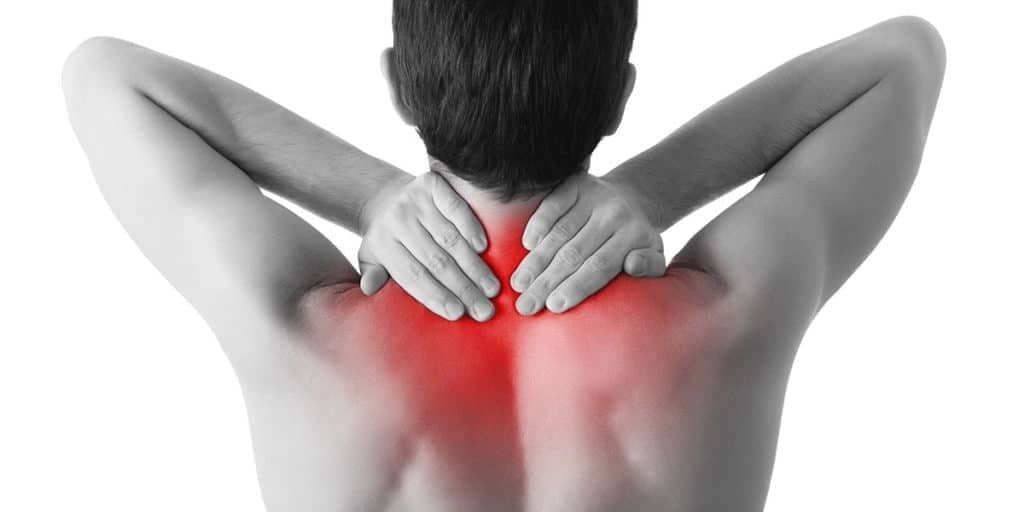
We’ve all experienced it—that stubborn spot in your neck, shoulder, or back that feels tight, sore, and sometimes even painful when you press on it. Many people call these spots “knots,” but what are they really, and how do they form?
Book NowWhat Is a Muscle Knot?
Common Causes of Muscle Knots
How Knots Affect the Body
How Massage Helps
Muscle Tension and "Knots" - What is it & what causes it?
Categories
Sign up for blog updates!
Recent Posts
We’ve all experienced it—that stubborn spot in your neck, shoulder, or back that feels tight, sore, and sometimes even painful when you press on it. Many people call these spots “knots,” but what are they really, and how do they form?
A muscle knot, also known as a trigger point, is a small, tight area within a muscle. Instead of contracting and relaxing smoothly, the muscle fibers in that area stay stuck in a contracted state. This tension reduces blood flow, traps waste products, and irritates nearby nerves, creating pain or discomfort that can stay local—or radiate to other areas.
Poor Posture Slouching at a desk, hunching over a phone, or standing unevenly puts strain on certain muscles. Over time, those muscles lock into a tense position. Repetitive Motions Whether it’s typing, lifting, or swinging a tool, repeating the same motion over and over can overwork some muscles and leave them unable to fully release. Stress and Tension Emotional stress doesn’t just affect the mind—it also shows up in the body. Stress hormones often cause muscles (especially in the shoulders and neck) to tighten unconsciously. Lack of Movement Sitting for long periods reduces circulation and weakens some muscles while overworking others. Without regular stretching and activity, tension builds. Injury or Overexertion Lifting too much, exercising without proper warm-up, or recovering from an injury can overload muscle fibers, leading to tight, painful spots.
Localized soreness or stiffness Limited range of motion Tension headaches or jaw pain (when knots form in the neck/shoulders) Radiating discomfort, where the pain spreads to other areas
Massage therapy is one of the most effective ways to address muscle knots. By applying targeted pressure, kneading, and stretching techniques, massage:
Increases blood flow, helping deliver oxygen and nutrients to tight areas. Flushes out waste products that build up in tense muscles. Releases stuck fibers, allowing the muscle to relax. Restores balance to posture and movement patterns. Reduces stress, calming the nervous system so the body can heal naturally.
At MaM Massage & Spa, our therapists specialize in identifying and relieving muscle tension—whether it’s from stress, poor posture, or physical activity. If you’ve been feeling tight, sore, or knotted up, a therapeutic massage can help you feel lighter, looser, and more at ease.
Share this post:
Join my email list to receive updates and information.
The Origins of Ashiatsu Massage and Why Clients Love It
Jan 22, 2026
Couples Massage: Relax & Reconnect
Nov 6, 2025
Orthopedic Massage: Targeted Relief for Lasting Recovery
Nov 4, 2025
- Poor Posture Slouching at a desk, hunching over a phone, or standing unevenly puts strain on certain muscles. Over time, those muscles lock into a tense position.
- Repetitive Motions Whether it’s typing, lifting, or swinging a tool, repeating the same motion over and over can overwork some muscles and leave them unable to fully release.
- Stress and Tension Emotional stress doesn’t just affect the mind—it also shows up in the body. Stress hormones often cause muscles (especially in the shoulders and neck) to tighten unconsciously.
- Lack of Movement Sitting for long periods reduces circulation and weakens some muscles while overworking others. Without regular stretching and activity, tension builds.
- Injury or Overexertion Lifting too much, exercising without proper warm-up, or recovering from an injury can overload muscle fibers, leading to tight, painful spots.
- Localized soreness or stiffness
- Limited range of motion
- Tension headaches or jaw pain (when knots form in the neck/shoulders)
- Radiating discomfort, where the pain spreads to other areas
- Increases blood flow, helping deliver oxygen and nutrients to tight areas.
- Flushes out waste products that build up in tense muscles.
- Releases stuck fibers, allowing the muscle to relax.
- Restores balance to posture and movement patterns.
- Reduces stress, calming the nervous system so the body can heal naturally.
- All Posts
- Holidays
- MaM's Services Benefits
- MaM's team stories
- Massage Tips
- Self-care Tips
- The Origins of Ashiatsu Massage and Why Clients Love It Jan 22, 2026
- Couples Massage: Relax & Reconnect Nov 6, 2025
- Orthopedic Massage: Targeted Relief for Lasting Recovery Nov 4, 2025
Forms