MaM Massage & Spa
MAM'S BLOGS
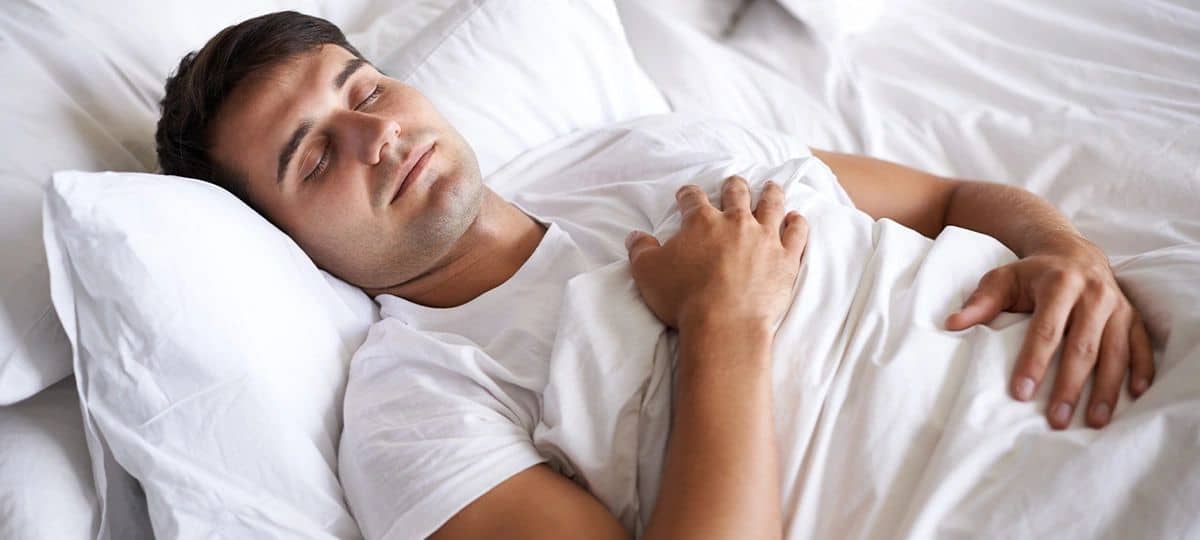
Sleep has become a precious commodity. With increasing demands from work, family, and personal life, achieving restful and sufficient sleep can be challenging. Amidst the myriad of remedies and treatments available, massage therapy has emerged as a popular and effective solution for improving sleep quality. This article delves into the connection between massage and better sleep, exploring the scientific basis and practical benefits of incorporating massage into a regular wellness routine.
Book NowThe Connection Between Massage and Better Sleep
Categories
Sign up for blog updates!
Recent Posts
Sleep has become a precious commodity. With increasing demands from work, family, and personal life, achieving restful and sufficient sleep can be challenging. Amidst the myriad of remedies and treatments available, massage therapy has emerged as a popular and effective solution for improving sleep quality. This article delves into the connection between massage and better sleep, exploring the scientific basis and practical benefits of incorporating massage into a regular wellness routine.
Sleep is a critical component of overall health and well-being. It is during sleep that the body undergoes essential processes such as muscle repair, memory consolidation, and the regulation of hormones affecting growth and stress. Poor sleep can lead to a host of problems including weakened immunity, impaired cognitive function, and increased risk of chronic diseases such as hypertension and diabetes. Despite its importance, a significant portion of the population struggles with sleep disorders like insomnia, which can severely impact quality of life.
The Science Behind Massage Therapy
Massage therapy involves the manipulation of the body’s soft tissues to alleviate pain, reduce stress, and promote relaxation. The practice dates back thousands of years and spans various cultures and traditions, each with its unique techniques and approaches. Modern science has begun to uncover the mechanisms by which massage therapy exerts its beneficial effects, particularly in relation to sleep.
One of the primary ways massage therapy improves sleep is by reducing stress and anxiety. Stress activates the body’s sympathetic nervous system, triggering the release of stress hormones like cortisol. Elevated cortisol levels interfere with the body’s ability to fall asleep and stay asleep. Massage has been shown to decrease cortisol levels while increasing the production of serotonin, a neurotransmitter that plays a crucial role in regulating mood and sleep. Enhanced serotonin levels can promote the production of melatonin, the hormone responsible for regulating sleep-wake cycles.
Moreover, massage therapy enhances circulation and relaxes the muscles. Improved blood flow helps in the delivery of oxygen and nutrients to tissues, promoting overall physical relaxation. When muscles are relaxed and free from tension, the body is better able to transition into a restful state, facilitating deeper and more restorative sleep.
Evidence from Research
Numerous studies have investigated the impact of massage therapy on sleep quality, providing a robust body of evidence supporting its efficacy. For instance, a study published in the Journal of Clinical Rheumatology found that patients with fibromyalgia, a condition often associated with sleep disturbances, experienced significant improvements in sleep quality after undergoing regular massage therapy sessions. Participants reported reduced pain and enhanced overall well-being, both of which contributed to better sleep.
Another study published in the Journal of Alternative and Complementary Medicine explored the effects of massage therapy on individuals with insomnia. The findings indicated that those who received massage therapy experienced a notable decrease in sleep disturbances and an increase in sleep duration. The researchers attributed these improvements to the relaxation and anxiety-reducing effects of massage.
Massage therapy has also been found beneficial for specific populations such as infants and the elderly. Research published in the journal Sleep Medicine Reviews highlighted that massage could improve sleep patterns in infants, helping them to sleep longer and more soundly. Similarly, elderly individuals, who often face sleep challenges due to age-related changes, showed improvements in sleep quality and duration after regular massage sessions.
Practical Benefits of Massage for Sleep
Incorporating massage therapy into a regular wellness routine offers numerous practical benefits that extend beyond improved sleep. Firstly, it provides a natural and non-invasive approach to managing sleep disorders, reducing the reliance on medications that can have adverse side effects. Massage therapy is customizable, allowing practitioners to tailor techniques to individual needs and preferences, making it accessible and effective for a wide range of people.
Additionally, the relaxing nature of massage can have a ripple effect on other aspects of health. Regular massage sessions can lead to improved mood, enhanced immune function, and reduced symptoms of conditions such as anxiety and depression. By addressing the root causes of sleep disturbances, massage therapy contributes to a holistic approach to health and well-being.
Tips for Maximizing the Sleep Benefits of Massage
To maximize the sleep benefits of massage therapy, consider the following tips:
1. **Consistency is Key**: Regular massage sessions are more effective than sporadic treatments. Aim for at least one session per week to experience sustained improvements in sleep quality.
2. **Create a Relaxing Environment**: Ensure that the massage environment is calm and soothing. Soft lighting, gentle music, and a comfortable temperature can enhance the relaxation experience.
3. **Choose the Right Technique**: Different massage techniques offer various benefits. Swedish massage, known for its gentle and relaxing strokes, is ideal for promoting sleep. Deep tissue massage, while more intense, can be effective for relieving chronic muscle tension that may interfere with sleep.
4. **Communicate with Your Therapist**: Inform your massage therapist about your sleep concerns and any specific areas of tension or discomfort. This allows them to tailor the session to address your unique needs.
5. **Integrate Other Relaxation Practices**: Complement massage therapy with other relaxation practices such as meditation, yoga, or aromatherapy to enhance its sleep-promoting effects.
The connection between massage and better sleep is well-supported by scientific evidence and practical experience. By reducing stress, promoting relaxation, and improving overall physical well-being, massage therapy offers a holistic approach to achieving restful and rejuvenating sleep. Whether through professional sessions or self-massage techniques, incorporating massage into your wellness routine can pave the way for a healthier, more balanced life. As with any therapeutic intervention, it is advisable to consult with healthcare professionals to ensure that massage therapy is appropriate for your individual health needs and conditions.
Share this post:
Join my email list to receive updates and information.
The Origins of Ashiatsu Massage and Why Clients Love It
Jan 22, 2026
Couples Massage: Relax & Reconnect
Nov 6, 2025
Orthopedic Massage: Targeted Relief for Lasting Recovery
Nov 4, 2025
- All Posts
- Holidays
- MaM's Services Benefits
- MaM's team stories
- Massage Tips
- Self-care Tips
- The Origins of Ashiatsu Massage and Why Clients Love It Jan 22, 2026
- Couples Massage: Relax & Reconnect Nov 6, 2025
- Orthopedic Massage: Targeted Relief for Lasting Recovery Nov 4, 2025
Forms