MaM Massage & Spa
MAM'S BLOGS
If you’ve ever experienced ashiatsu massage, you know it feels different from most bodywork. The pressure is deep yet broad, grounding yet fluid. What many clients don’t realize is that this technique isn’t a trend; it’s rooted in centuries of global healing traditions.
Book NowWhat Is Ashiatsu?
Ancient Roots Across Cultures
Why Ashiatsu Feels So Different
Key Benefits for Clients
Why Clients Keep Coming Back
A Tradition That Still Evolves
The Origins of Ashiatsu Massage and Why Clients Love It
1. Deep Muscle Relief Without Pain
2. Improved Circulation and Lymphatic Flow
3. Nervous System Regulation
4. Ideal for Active Bodies
Categories
Sign up for blog updates!
Recent Posts
If you’ve ever experienced ashiatsu massage, you know it feels different from most bodywork. The pressure is deep yet broad, grounding yet fluid. What many clients don’t realize is that this technique isn’t a trend; it’s rooted in centuries of global healing traditions.
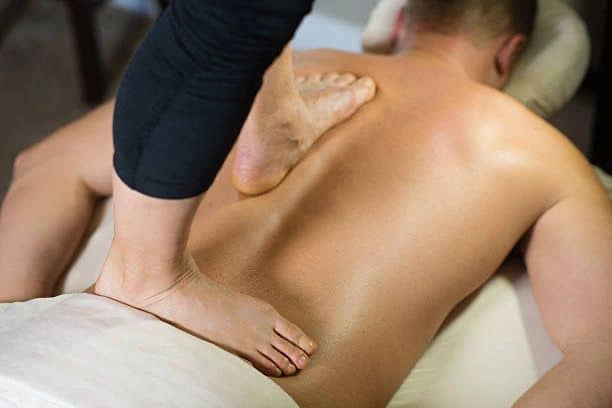
Ashiatsu (足圧) is a Japanese term roughly translated as “foot pressure.” In modern practice, it refers to a style of massage in which the therapist uses their feet, often while supported by overhead bars, to deliver slow, controlled, deep pressure along the body.
Although the term ashiatsu comes from Japanese, the method is influenced by the bodywork traditions of Japan, Thailand, India, and China.
The use of feet in therapeutic bodywork appears in several parts of the world:
Japan: Traditional ashiatsu techniques evolved alongside other forms of bodywork, such as anma and shiatsu, emphasizing pressure along energetic pathways. Thailand: Thai massage has long included practitioners walking on clients’ backs to apply rhythmic compression and stretching. India: In Ayurvedic traditions, pāda abhyanga (foot massage) and therapist-applied foot pressure were used for grounding and nervous system regulation. China: Certain forms of traditional bodywork also use foot pressure to deeply stimulate muscles and meridians.
The modern form of ashiatsu practiced in the West was systematized in the late 20th century, particularly in the United States, where teachers developed safer methods using bars for balance, better body mechanics, and more consistent client outcomes.
One of the biggest reasons clients seek out ashiatsu is that it provides deep pressure without sharp discomfort. Because the foot has a broader surface area than the thumbs or elbows, the pressure is:
More evenly distributed Less pokey or painful More effective at reaching deeper muscle layers
Clients often describe it as feeling like a “deep compression stretch” rather than intense spot work.
Ashiatsu isn’t just unique—it’s highly effective.
Clients with chronic tension in the back, hips, and legs often find that ashiatsu reaches areas that traditional massage cannot, without triggering guarding or soreness.
The long, gliding strokes encourage better blood and lymph movement, which can support recovery, reduce inflammation, and promote overall wellness.
Many clients report entering a deeply relaxed, almost meditative state during ashiatsu. The slow pressure and grounding contact can help shift the body out of “fight or flight” and into “rest and digest.”
Athletes, runners, and people with physically demanding jobs often benefit from the depth and effectiveness of ashiatsu for recovery and mobility.
Beyond the physical benefits, clients often love ashiatsu because it feels intentional, controlled, and personalized. It’s not about force, it’s about precision, balance, and flow. Many say it’s the most effective bodywork they’ve ever received, especially for long-term tension patterns.
If you’re curious about how ashiatsu can support your wellness or recovery goals, consider experiencing a session for yourself. Reach out to a qualified therapist and discover why so many clients return to this time-honored technique.
Myofascial Release
Feeling tight, stiff, or “stuck”? Myofascial release targets the fascia, the body’s web of connective tissue, to melt away tension, improve flexibility, and support long-term pain relief. Gentle touch, powerful results. Myofascial release is a gentle, sustained technique that works with the connective tissue (fascia) surrounding your muscles. Slowly releasing restrictions help reduce pain, improve mobility, and restore natural movement.
My name is Holly Farley, and I have been a practicing massage therapist for 17 years. My career has taken me through a wide range of settings, from chiropractic offices focused on pain relief and rehabilitation to spas centered on relaxation and restoration. What originally drew me to this work was a deep desire to improve people’s lives through healing.
When we live with ongoing pain, especially when solutions feel limited, it can shrink our world. Life becomes more about managing discomfort than truly living: enjoying a peaceful walk, getting down on the floor to play with children or grandchildren, or simply moving through the day with ease. When pain is reduced, space opens up again for joy, connection, and the things that matter most.
My passion for massage therapy was shaped by witnessing a family friend’s remarkable recovery. After a car accident, she was told she might never walk again. Through six months of committed massage therapy and her own determination, she returned not just to walking, but to running. She refused to accept “you can’t” as the final answer and chose to take an active role in her healing. Watching her journey left me both humbled and inspired, and it became the foundation of my own massage journey.
That experience made me want to be the therapist who supports others when the road feels difficult, the one who believes in their body’s capacity to heal and helps them reconnect with that potential.
My primary goal in every session is to support effective, individualized pain management. Everybody is different, so each session becomes a collaborative process of learning what your body responds to best and tailoring the work to support your goals, whether that’s deep relaxation, relief from chronic headaches, improved mobility, or long-term pain reduction.
In addition to traditional massage techniques, I offer Ashiatsu (barefoot massage) for clients who prefer deeper pressure that is still controlled, soothing, and effective.
Share this post:
Join my email list to receive updates and information.
Couples Massage: Relax & Reconnect
Nov 6, 2025
Orthopedic Massage: Targeted Relief for Lasting Recovery
Nov 4, 2025
Maintaining Quality of Life: Massage for Senior Citizens
Oct 28, 2025
- Japan: Traditional ashiatsu techniques evolved alongside other forms of bodywork, such as anma and shiatsu, emphasizing pressure along energetic pathways.
- Thailand: Thai massage has long included practitioners walking on clients’ backs to apply rhythmic compression and stretching.
- India: In Ayurvedic traditions, pāda abhyanga (foot massage) and therapist-applied foot pressure were used for grounding and nervous system regulation.
- China: Certain forms of traditional bodywork also use foot pressure to deeply stimulate muscles and meridians.
- More evenly distributed
- Less pokey or painful
- More effective at reaching deeper muscle layers
- Feeling tight, stiff, or “stuck”? Myofascial release targets the fascia, the body’s web of connective tissue, to melt away tension, improve flexibility, and support long-term pain relief. Gentle touch, powerful results.
- Myofascial release is a gentle, sustained technique that works with the connective tissue (fascia) surrounding your muscles. Slowly releasing restrictions help reduce pain, improve mobility, and restore natural movement.
- All Posts
- Holidays
- MaM's Services Benefits
- MaM's team stories
- Massage Tips
- Self-care Tips
- Couples Massage: Relax & Reconnect Nov 6, 2025
- Orthopedic Massage: Targeted Relief for Lasting Recovery Nov 4, 2025
- Maintaining Quality of Life: Massage for Senior Citizens Oct 28, 2025
Forms