MaM Massage & Spa
MAM'S BLOGS
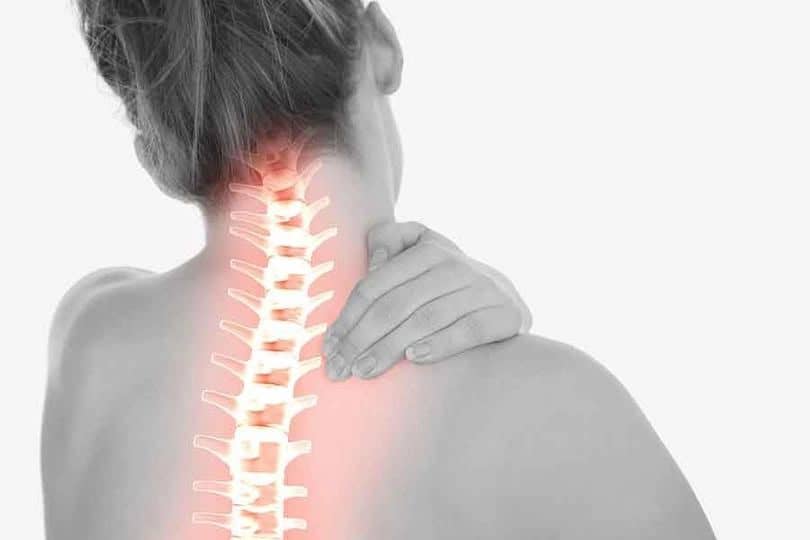
An acute stiff neck is a common but often distressing condition that can significantly affect your daily life. Let’s delve into what it means, how it impacts the body, potential causes and symptoms, and effective remedies—including the role of massage therapy.
Book NowUnderstanding Acute Stiff Neck: Causes, Symptoms, and Relief
What Is an Acute Stiff Neck?
How Does an Acute Stiff Neck Affect the Body?
Common Causes of an Acute Stiff Neck
Symptoms of Acute Stiff Neck
How to Relieve a Stiff Neck
The Role of Massage Therapy in Relieving Acute Stiff Neck
When to Seek Professional Help
Conclusion
Categories
Sign up for blog updates!
Recent Posts
Understanding Acute Stiff Neck: Causes, Symptoms, and Relief
An acute stiff neck is a common but often distressing condition that can significantly affect your daily life. Let’s delve into what it means, how it impacts the body, potential causes and symptoms, and effective remedies—including the role of massage therapy.
An acute stiff neck refers to a sudden, sharp discomfort and restricted mobility in the neck area. This condition can make turning or tilting your head challenging, leading to frustration and discomfort in completing everyday tasks. While acute cases develop quickly, they may resolve with proper care and attention.
The neck is a complex structure composed of muscles, ligaments, tendons, nerves, and vertebrae. When stiffness occurs, it can:
Limit your range of motion, making basic movements like looking over your shoulder difficult. Cause localized pain that may extend to your shoulders or upper back. Trigger tension headaches or exacerbate existing migraines. Lead to discomfort during sleep, affecting overall rest and recovery.
Several factors can contribute to the sudden onset of neck stiffness, including:
Muscle Strain or Overuse: Poor posture, long hours at a desk, or sleeping in an awkward position can overwork neck muscles. Stress or Tension: Emotional stress often manifests as tightness in the neck and shoulders. Injury or Trauma: Whiplash from a car accident or a sports-related injury can lead to stiffness. Underlying Conditions: Cervical spondylosis, arthritis, or herniated discs may cause recurring neck stiffness. Sudden Movements: Quick, jerky motions can strain muscles and ligaments.
Recognizing the symptoms of an acute stiff neck is vital for timely relief. These may include:
Sharp or throbbing pain in the neck area Difficulty moving the head side to side or up and down Muscle spasms or tightness Tenderness when pressing on the affected area A sensation of tension or pressure spreading to the shoulders or upper back
Fortunately, several approaches can alleviate neck stiffness and restore mobility:
Apply Heat or Cold: Alternate between cold compresses to reduce inflammation and heat packs to relax tense muscles. Gentle Stretching: Perform slow, controlled stretches to release tight muscles, such as tilting your head from side to side or gently rolling your shoulders. Over-the-Counter Pain Relievers: Anti-inflammatory medications can reduce pain and swelling. Maintain Good Posture: Ensure your workspace setup promotes ergonomic alignment and avoid hunching over devices. Rest and Hydrate: Adequate rest and staying hydrated can help your muscles recover faster.
Massage therapy is a highly effective remedy for alleviating neck stiffness. Here’s how it helps:
Reduces Muscle Tension: Targeted techniques relax tight muscles and release knots, promoting flexibility. Improves Blood Circulation: Enhanced circulation brings oxygen and nutrients to the affected area, accelerating healing. Relieves Stress: Massage eases physical and emotional tension, addressing one of the leading causes of neck pain. Supports Postural Alignment: Regular sessions can correct imbalances caused by poor posture or repetitive strain.
Popular massage techniques for acute stiff neck relief include:
Swedish Massage: Gentle and soothing, this approach is perfect for overall relaxation. Deep Tissue Massage: Targets deeper layers of muscle for long-lasting relief from chronic stiffness. Trigger Point Therapy: Focuses on specific “knots” causing pain and discomfort.
If neck stiffness persists for more than a few days, worsens, or is accompanied by severe symptoms such as numbness, tingling, or fever, consult a healthcare professional immediately. These could indicate a more serious underlying condition.
An acute stiff neck, while inconvenient, is often manageable with timely care. Understanding the causes and symptoms allows you to choose the most effective remedies. Massage therapy, in particular, stands out as a holistic approach to alleviating pain and improving overall neck health. By addressing the physical and emotional contributors to stiffness, you can restore comfort and mobility while preventing future episodes.
Share this post:
Join my email list to receive updates and information.
The Origins of Ashiatsu Massage and Why Clients Love It
Jan 22, 2026
Couples Massage: Relax & Reconnect
Nov 6, 2025
Orthopedic Massage: Targeted Relief for Lasting Recovery
Nov 4, 2025
- Limit your range of motion, making basic movements like looking over your shoulder difficult.
- Cause localized pain that may extend to your shoulders or upper back.
- Trigger tension headaches or exacerbate existing migraines.
- Lead to discomfort during sleep, affecting overall rest and recovery.
- Muscle Strain or Overuse: Poor posture, long hours at a desk, or sleeping in an awkward position can overwork neck muscles.
- Stress or Tension: Emotional stress often manifests as tightness in the neck and shoulders.
- Injury or Trauma: Whiplash from a car accident or a sports-related injury can lead to stiffness.
- Underlying Conditions: Cervical spondylosis, arthritis, or herniated discs may cause recurring neck stiffness.
- Sudden Movements: Quick, jerky motions can strain muscles and ligaments.
- Sharp or throbbing pain in the neck area
- Difficulty moving the head side to side or up and down
- Muscle spasms or tightness
- Tenderness when pressing on the affected area
- A sensation of tension or pressure spreading to the shoulders or upper back
- Apply Heat or Cold: Alternate between cold compresses to reduce inflammation and heat packs to relax tense muscles.
- Gentle Stretching: Perform slow, controlled stretches to release tight muscles, such as tilting your head from side to side or gently rolling your shoulders.
- Over-the-Counter Pain Relievers: Anti-inflammatory medications can reduce pain and swelling.
- Maintain Good Posture: Ensure your workspace setup promotes ergonomic alignment and avoid hunching over devices.
- Rest and Hydrate: Adequate rest and staying hydrated can help your muscles recover faster.
- Reduces Muscle Tension: Targeted techniques relax tight muscles and release knots, promoting flexibility.
- Improves Blood Circulation: Enhanced circulation brings oxygen and nutrients to the affected area, accelerating healing.
- Relieves Stress: Massage eases physical and emotional tension, addressing one of the leading causes of neck pain.
- Supports Postural Alignment: Regular sessions can correct imbalances caused by poor posture or repetitive strain.
- Swedish Massage: Gentle and soothing, this approach is perfect for overall relaxation.
- Deep Tissue Massage: Targets deeper layers of muscle for long-lasting relief from chronic stiffness.
- Trigger Point Therapy: Focuses on specific “knots” causing pain and discomfort.
- All Posts
- Holidays
- MaM's Services Benefits
- MaM's team stories
- Massage Tips
- Self-care Tips
- The Origins of Ashiatsu Massage and Why Clients Love It Jan 22, 2026
- Couples Massage: Relax & Reconnect Nov 6, 2025
- Orthopedic Massage: Targeted Relief for Lasting Recovery Nov 4, 2025
Forms