MaM Massage & Spa
MAM'S BLOGS
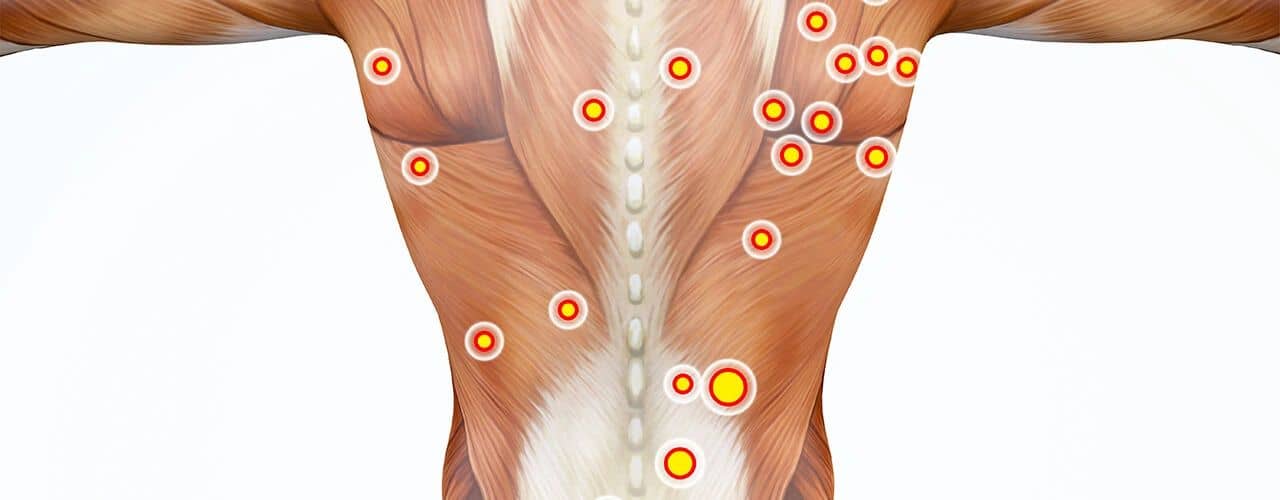
Trigger Point Therapy (TPT) is a specialized form of massage therapy that focuses on the identification and release of trigger points—hyperirritable spots in the muscle that can cause pain, stiffness, and other discomforts. Often linked to myofascial pain syndrome, trigger points can radiate pain to other parts of the body, making them a frequent culprit in chronic pain conditions. This therapy aims to alleviate pain, improve muscle function, and enhance overall well-being.
Book NowUnderstanding Trigger Point Therapy
Categories
Sign up for blog updates!
Recent Posts
Trigger Point Therapy (TPT) is a specialized form of massage therapy that focuses on the identification and release of trigger points—hyperirritable spots in the muscle that can cause pain, stiffness, and other discomforts. Often linked to myofascial pain syndrome, trigger points can radiate pain to other parts of the body, making them a frequent culprit in chronic pain conditions. This therapy aims to alleviate pain, improve muscle function, and enhance overall well-being.
What are Trigger Points?
Trigger points are small, sensitive areas in the muscle that feel like tight bands or knots. They can develop due to various factors, including muscle overuse, injury, poor posture, stress, and repetitive strain. When pressed, these points can produce localized pain or referred pain, meaning the pain is felt in another part of the body. For instance, a trigger point in the shoulder might cause headaches.
The Science Behind Trigger Points
The exact mechanisms that lead to the formation of trigger points are not completely understood, but several theories exist. One theory suggests that they are caused by the abnormal release of acetylcholine, a neurotransmitter that plays a role in muscle contraction. This leads to a sustained contraction of muscle fibers, resulting in the formation of tight bands. Another theory posits that trigger points may develop from microtraumas and subsequent inflammation in the muscle tissue, leading to the formation of fibrous bands.
Identification of Trigger Points
Skilled therapists use palpation techniques to locate trigger points. This involves feeling for tight bands or knots in the muscles and pressing on them to assess the patient’s pain response. Diagnostic tools such as ultrasonography and MRI can sometimes assist in identifying these points, but they are not commonly used due to cost and accessibility issues.
Techniques in Trigger Point Therapy
Trigger Point Therapy involves various techniques aimed at deactivating the trigger points and alleviating the associated pain. These include:
1. Manual Pressure - The therapist applies direct, sustained pressure on the trigger point using their fingers, knuckles, or elbows. The pressure is maintained for about 30 seconds to a few minutes until the tension in the muscle releases.
2. Stretching - After applying pressure, the therapist may use stretching techniques to elongate the muscle fibers and improve flexibility.
3. Massage - Integrating trigger point work into a broader massage routine can help in further relaxing the muscles and promoting overall circulation.
4. Heat and Cold Therapy**: Applying heat can help relax the muscles before treatment, while cold therapy can reduce inflammation after the session.
Benefits of Trigger Point Therapy
Trigger Point Therapy offers numerous benefits, including:
1. Pain Relief - By deactivating trigger points, TPT can significantly reduce pain and discomfort, providing relief from chronic pain conditions.
2. Improved Muscle Function - Releasing trigger points can enhance muscle flexibility, strength, and overall function, allowing for better performance and reduced risk of injury.
3. Enhanced Circulation - The massage techniques used in TPT promote blood flow to the affected areas, facilitating the delivery of oxygen and nutrients to the muscles and aiding in the removal of waste products.
4. Stress Reduction - As with other forms of massage, TPT can help reduce stress and promote relaxation, contributing to better mental health and well-being.
Trigger Point Therapy can be beneficial for a variety of conditions, including:
1. Myofascial Pain Syndrome - This chronic pain disorder is characterized by widespread pain and multiple trigger points, making it a primary target for TPT.
2. Tension Headaches - Trigger points in the neck and shoulder muscles can often cause tension headaches, and releasing these points can alleviate the headache pain.
3. Temporomandibular Joint (TMJ) Disorders - Trigger points in the jaw muscles can contribute to TMJ pain, and TPT can help reduce this discomfort.
4. Back Pain - Trigger points in the back muscles are a common source of chronic back pain, and TPT can provide significant relief.
5. Fibromyalgia - Although the exact cause of fibromyalgia is not known, many sufferers have active trigger points, and TPT can be an effective part of the treatment plan.
Self-Care and Maintenance
While professional therapy is highly effective, self-care techniques can also help manage and prevent trigger points. These include:
1. Self-Massage - Using tools like massage balls or foam rollers, individuals can apply pressure to their own trigger points.
2. Stretching and Exercise - Regular stretching and strengthening exercises can help maintain muscle flexibility and reduce the likelihood of trigger point formation.
3. Hydration and Nutrition - Staying well-hydrated and maintaining a balanced diet can support overall muscle health.
4. Stress Management - Techniques such as yoga, meditation, and deep breathing can help reduce stress, which can contribute to muscle tension and trigger point formation.
Seeking Professional Help
It's essential to seek treatment from a qualified and experienced therapist. A good therapist will conduct a thorough assessment, considering your medical history, symptoms, and lifestyle factors before developing a personalized treatment plan.
Trigger Point Therapy is a powerful tool in the management of musculoskeletal pain and dysfunction. By understanding the nature of trigger points and utilizing effective techniques to address them, therapists can provide significant relief to those suffering from chronic pain conditions. Whether used as a standalone treatment or as part of a broader therapeutic approach, TPT offers a path to improved health and well-being, emphasizing the importance of specialized care in the field of massage therapy.
Share this post:
Join my email list to receive updates and information.
The Origins of Ashiatsu Massage and Why Clients Love It
Jan 22, 2026
Couples Massage: Relax & Reconnect
Nov 6, 2025
Orthopedic Massage: Targeted Relief for Lasting Recovery
Nov 4, 2025
- All Posts
- Holidays
- MaM's Services Benefits
- MaM's team stories
- Massage Tips
- Self-care Tips
- The Origins of Ashiatsu Massage and Why Clients Love It Jan 22, 2026
- Couples Massage: Relax & Reconnect Nov 6, 2025
- Orthopedic Massage: Targeted Relief for Lasting Recovery Nov 4, 2025
Forms